Why Sales Don’t Convert Even With Good Leads: 9 Real Reasons Leads Aren’t Closing
 Abhyank Srinet
The real reason why leads don’t convert — even when they look good — usually comes down to three things: slow response time, not enough follow-ups, and poor qualification. Leads today move fast. The moment someone messages you, they are already talking to 2–3 other businesses. If your reply is delayed, your follow-up stops too early, or you don’t understand what the lead actually needs, the conversation loses momentum immediately. Most leads don’t say “no” — they simply stop replying.
Another thing most businesses miss is that leads rarely convert in one interaction. People get busy, they forget, they compare options, or they hesitate before making a decision. Without a system to respond quickly, qualify properly, and follow up consistently, even high-intent leads will drop off.
In this blog, we’ll break down the common reasons why leads don’t convert and show you exactly what to fix so you can turn more of your existing leads into actual sales.
Leads Not Converting Even With Good Leads? You’re Not Alone
If you’re thinking, “These leads look perfect… so why are my leads not converting?” — trust me, this happens to a lot of businesses.
People may message you, ask for details, even sound excited… and then they disappear. That doesn’t always mean the lead was bad. It usually means they weren’t fully ready yet, or they got confused, distracted, or started comparing other options. That’s how you end up with leads not converting into sales, even when the leads are actually good.
Most of the time, the issue isn’t marketing. It’s the sales flow. Like:
You replied late, so the lead cooled off
Your message didn’t clearly explain the outcome (so they didn’t “get it”)
There’s no proper sales follow-up process, so the lead goes quiet
They don’t trust you enough yet (no proof, no confidence)
There’s no clear next step, so the lead doesn’t know what to do
So if you’ve ever thought, “why am I getting leads but no sales?” — don’t worry. This is fixable. Small improvements in your lead nurturing strategy and sales pipeline stages can seriously improve lead conversion rate without needing more leads.
Also read: How to Improve Sales Performance
9 Common Reasons Why Leads Don’t Convert

If your leads are not converting even when they look “good”, it usually doesn’t mean your leads are fake or useless. Most of the time, it’s because the lead is not being handled in the right way at the right time. Small gaps in response time, follow-up, clarity, and trust can quietly kill the deal.
Reason #1 — You replied too late (the first 5–15 minutes matter)
When someone messages you, they’re usually in “shopping mode” right then. They’re checking options, comparing, and trying to decide fast. But this interest doesn’t stay for long. If your reply comes late, the lead cools down, gets busy, or simply moves on to the next business that replied faster. That’s why first response time and WhatsApp reply time matter so much. A fast reply doesn’t mean you need to give a full explanation immediately. Even a quick response plus 2–3 basic questions keeps the lead engaged and stops them from slipping away.
Reason #2 — Your follow-up is not fixed; it’s random
Most people don’t buy in the first conversation. They need time, reminders, and a little push. The problem is, many teams follow up once or twice and then stop. After that, the lead becomes “silent,” and everyone assumes they are not interested. But many silent leads are still interested—they just got distracted. This is why a proper sales follow up process and a simple follow-up sequence are so important. When follow-up is consistent, your lead nurturing strategy becomes stronger and more leads convert naturally.
Also read: AI Sales Follow Up Automation
Reason #3 — You’re talking to the wrong “good leads.”
Some leads sound excited, but they are not a real match. They may not have the budget, they may not be the decision maker, or they may not want to start anytime soon. That’s why it feels like you’re getting leads but no sales. The fix is simple: ask clear qualification questions early. A light version of BANT helps—budget, decision maker, need, and timeline. When you do basic lead scoring, you stop wasting time on the wrong leads and focus on the ones that can actually convert.
Reason #4 — Your pitch is full of features, but the lead wants results
Many businesses explain what they do, what they include, and what their process is. But the buyer’s mind is thinking something else: “What result will I get?” People don’t buy features first. They buy clarity and confidence. If your value proposition is not simple, the lead gets confused and delays. This is a big reason why leads don’t convert. When you explain outcomes clearly—what problem you solve, what changes for them, and why it works—sales become much easier.
Reason #5 — There’s no clear next step, so the lead drifts away
A very common mistake is ending the conversation with “I’ve sent the details.” That is not a next step. That’s a pause. The lead then doesn’t know what to do, and you’re waiting for them to decide on their own. Instead, you need one clear action like a demo booking, appointment confirmation, visit, or payment link. When your sales pipeline stages are clear and every lead is guided to one next step, conversions increase because the lead feels directed, not lost.
Also read: Why prospects stop responding after showing interest
Reason #6 — They don’t trust you enough yet
Even if a lead likes your offer, they still need trust. If you don’t share proof at the right time, they will hesitate. They want to feel safe. Simple things like testimonials, reviews, small results, or a short case example build confidence. Without this, leads not converting into sales becomes common because the lead stays unsure. Trust reduces fear, and fear is the biggest reason people delay buying.
Reason #7 — “Too expensive” usually means “not clear.”
When someone says, “Your price is high,” many times it doesn’t mean they can’t afford it. It means they don’t fully understand what they’re getting. Or they can’t compare it properly. Or the value is not explained clearly. This is why packaging and offering clarity matter. When you show what’s included, what’s different in each plan, and what outcome they can expect, the lead feels more confident, and it becomes easier to say yes.
Reason #8 — The buying experience feels tiring
Sometimes leads don’t convert simply because the process feels messy. Too many long messages, slow proposal sharing, repeating the same questions, or no clear flow make the buyer tired. And tired people don’t make decisions—they postpone. A smoother experience with simple messaging, a clear sales script, and faster steps removes friction. Less friction means fewer leads drop off.
Reason #9 — You don’t have a system to bring back silent leads
A lead going quiet is normal. People get busy, they forget, they get nervous, or timing changes. If you don’t have a way to revive them, you lose many leads that could have converted later. A good re-engagement message is not pushy. It’s simple, helpful, and easy to reply to. This one small system can recover a lot of lost deals and improve your conversion rate without needing new leads.
Also read: Common Sales Mistakes That Reduce Conversions
How to Fix Your Lead Conversion System
If your leads are not converting, the problem is not your marketing — it’s your system. Most businesses lose leads because they don’t have a clear process for handling them. The gaps are always the same: slow responses, weak follow-ups, and no clear next steps. Fix these, and your conversion rate improves without increasing lead volume.
A strong lead conversion system is simple. It ensures every lead is handled properly from the first message to the final decision — without relying on memory or manual effort.
1. Fix Your First Response Speed
The first few minutes after a lead messages you are the most important. This is when interest is highest. If you delay your reply, the lead quickly moves on to someone else.
To fix this, you need to respond instantly every time. Even a basic first reply keeps the conversation alive. Fast response builds trust and gives you the first advantage.
2. Add Basic Qualification Before Selling
Many businesses start pitching immediately without understanding the lead. This creates confusion and reduces interest. When the message doesn’t match what the lead actually wants, they stop replying.
Instead, ask a few simple questions before selling. Understand their requirement, timeline, and intent. This helps you focus on serious leads and improves your conversion rate.
3. Build a Structured Follow-Up System
Most leads don’t convert after one message. They get busy, forget, or delay decisions. If you follow up only once or twice, you lose most of your opportunities.
You need a clear follow-up structure. Plan 5–7 follow-ups across a few days. Each message should add value and move the conversation forward.
4. Always Guide the Next Step
One of the biggest reasons leads don’t convert is lack of direction. When conversations end with “let me know,” nothing happens.
Instead, guide the next step clearly. Give simple options like booking a call, confirming a slot, or scheduling a visit. Clear direction reduces hesitation.
5. Use Reminders to Reduce Drop-Off
Leads often say “I’ll check later” or “I’ll confirm tomorrow.” Without reminders, these conversations disappear.
Set reminders for key actions like calls, demos, or visits. Timely nudges bring the lead back and improve conversion chances.
6. Keep Your Pipeline Organized
When leads are scattered across chats, many get ignored. Teams forget who to follow up with and when.
A simple pipeline helps you track every lead. You can see who is new, who is interested, and who needs follow-up. This creates consistency in your sales process.
7. Recover Silent Leads
Silent leads are not lost leads. Most are just busy or distracted. If you don’t follow up again, they never return.
Send simple re-engagement messages after a gap. Even one message can restart the conversation and bring the lead back into your pipeline.
Common Reasons Why Leads Don’t Convert
Most businesses think leads don’t convert because people are not serious. But in reality, the problem is not the lead — it’s the process. The reason why leads don’t convert usually comes down to small gaps like slow replies, weak follow-ups, and unclear communication.
Leads don’t need convincing. They need fast responses, clear answers, and the right guidance at the right time. When this doesn’t happen, even good leads lose interest and stop replying. Below are the most common reasons why leads don’t convert.
1. You Replied Too Late
When a lead messages you, they are already talking to other businesses at the same time. If your reply is delayed, even by a few minutes, they move forward with someone else. Speed is not just helpful — it directly decides who gets the lead.
2. You Didn’t Follow Up Enough
Most leads don’t decide immediately. They get busy, distracted, or unsure. If you follow up only once or twice, the conversation ends too early. Consistent follow-ups are what bring leads back and keep the decision moving forward.
3. You Didn’t Understand the Lead First
Many businesses start selling without asking what the lead actually wants. This creates a mismatch between the message and the need. When the conversation doesn’t feel relevant, the lead loses interest and stops replying.
4. You Sent Price Without Explaining Value
When you share pricing without context, the lead compares you only on cost. They don’t understand what makes your offer better. Without clear value, price becomes the only factor — and that usually leads to drop-off.
5. You Didn’t Guide the Next Step
Conversations often end without a clear direction. Saying “let me know” puts the effort on the lead, and most people don’t act. When you guide the next step clearly, the lead finds it easier to move forward.
6. You Didn’t Build Enough Trust
Leads hesitate when they are unsure. If there is no proof, no clarity, or no confidence in your communication, they delay their decision. Trust builds through simple, clear, and consistent interaction.
7. Your Messages Felt Too Generic
If every lead gets the same response, the conversation feels impersonal. People want to feel understood. Even small adjustments in your message based on their need can improve replies and engagement.
8. You Were Not Consistent
Some leads are followed up properly, while others are ignored. This happens when there is no system in place. Without consistency, good leads get missed and conversions drop without you even realizing it.
9. You Ignored Silent Leads
A lead going silent does not mean they are not interested. Most people just get busy or distracted. If you don’t follow up again, you lose them completely. Simple re-engagement messages can bring them back.
10. The Process Felt Too Complicated
If your process feels confusing or takes too much effort, people drop off. Leads prefer simple conversations, quick answers, and easy next steps. The easier it feels, the higher the chance of conversion.
How Kraya AI Helps Fix “Leads Not Converting”
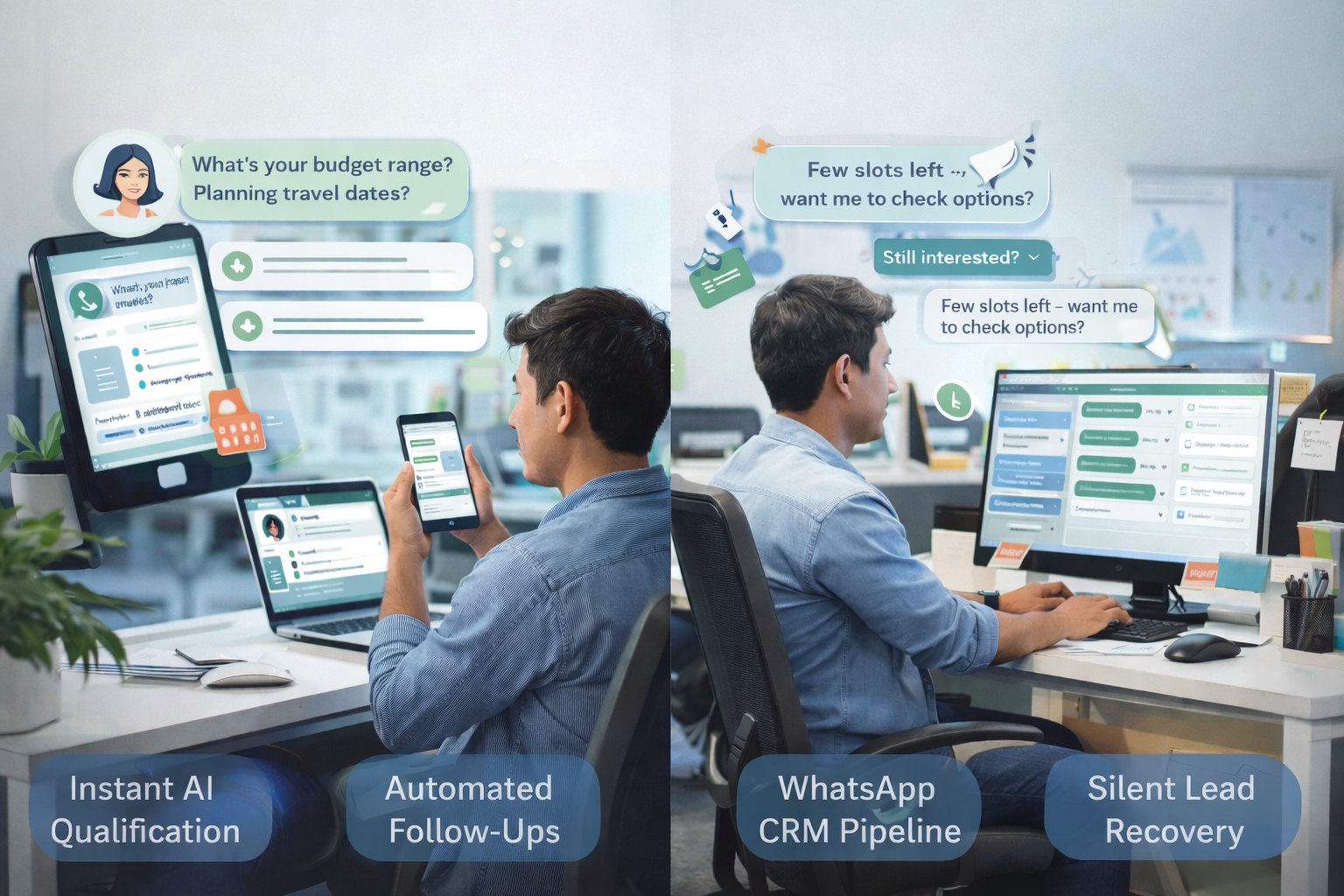
When leads not converting becomes a regular thing, it’s usually because replies and follow-ups are not happening properly. Leads get missed, replies go late, and the team forgets to check back. Kraya AI helps by bringing structure and consistency—so good leads don’t slip away.
Faster replies (better first response time): Kraya AI helps you reply quickly on WhatsApp so leads don’t go cold in the first few minutes. This improves your speed-to-lead and reduces missed chances.
Follow-ups without forgetting: Instead of depending on memory, Kraya AI supports a proper sales follow up process with a planned follow-up sequence. That way, leads get the right reminder at the right time.
Better lead handling with simple tracking: Kraya AI helps track where each lead is in your sales pipeline stages (new, qualified, follow-up, booked, closed), so no one gets lost in chats or handovers.
Qualification becomes easier: With a fixed question flow, your team can quickly identify serious leads using qualification questions and simple lead scoring (hot/warm/cold).
Bring back silent leads: Many leads don’t say “no,” they just go quiet. Kraya AI helps with re-engagement and recovery messages, so more leads not converting into sales can come back and close later.
Conclusion
If your leads not converting, it doesn’t always mean your leads are bad. Most of the time, the problem is what happens after the lead comes in—late replies, weak follow-ups, unclear next steps, or low trust.
The good part is, this can be fixed. When you reply faster, follow up properly, and keep your sales pipeline stages clear, more leads start turning into customers. And if you want to make this easy and consistent, tools like Kraya AI can help by handling replies, follow-ups, tracking, and recovery—so you stop losing good leads.
Frequently Asked Questions

Written by


